
Previous
Next
Paper Shredder Crinkle Cut for Raffia: The Ultimate Fully Automatic Paper Raffia Machine (XH-800)
Description
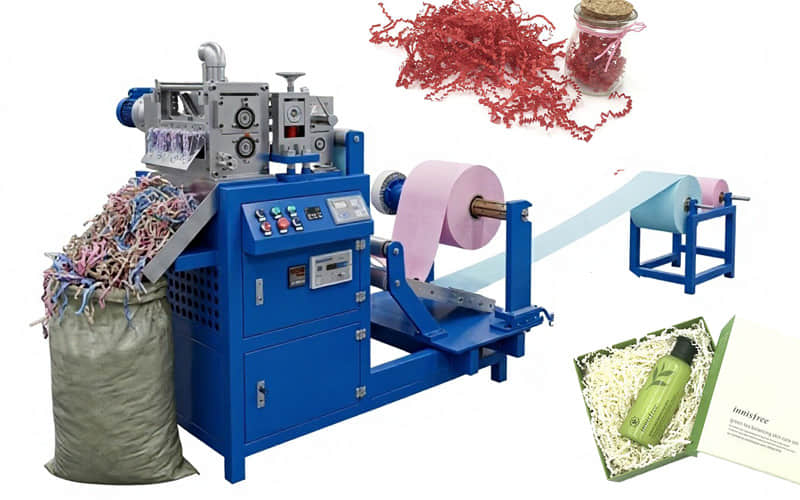
In the fast‑paced world of gift wrapping, e‑commerce fulfillment, and creative packaging, the demand for high‑quality, attractive filling materials has never been greater. Whether you run a gift shop, a packaging supply business, or a recycling operation, having the right equipment to produce paper raffia can dramatically boost your productivity and product quality. The Fully Automatic Crinkle Paper Shredder Cut Machine (XH‑800) is engineered specifically to meet that need—delivering consistent, beautiful crinkle paper raffia and straight paper raffia at an industrial scale, all with minimal operator effort.
This article dives deep into every aspect of this versatile paper raffia shredder machine, from its technical specifications and key components to real‑world applications and customer support. If you are looking to elevate your packaging offerings with premium crinkle raffia or start a paper recycling venture producing straight raffia, read on to discover why the XH‑800 is the industry’s go‑to choice.
What Is a Paper Shredder Crinkle Cut for Raffia?
A paper shredder crinkle cut for raffia is a specialized device that transforms rolls of paper (or plastic film) into decorative, textured raffia strips used primarily as filler material in gift boxes, shopping bags, and other packaging. Unlike ordinary strip cutters, the crinkle cutting process imparts a permanent wavy, crimped texture that adds volume, elegance, and cushioning to the final paper raffia. The XH‑800 goes a step further by offering dual output modes – you can produce either crinkled raffia or straight paper raffia with the same machine, giving you maximum flexibility for different customer preferences.
Why Choose a Fully Automatic Paper Raffia Machine?
Intelligent control – Automated feeding, cutting, and collection reduce manual labor while ensuring uniform raffia quality.
High speed – Processes 100‑120 kg of paper raffia per hour.
Versatile material handling – Supports paper weights from 50 to 180 gsm and even plastic film for diverse raffia applications.
Adjustable settings – Cutting speed, strip width, and layer count can be tailored to produce single‑color or multi‑colored crinkle raffia.
Technical Specifications for Premium Raffia Production
| Parameter | Specification |
|---|---|
| Model | XH‑800 |
| Paper Raffia Strip Width | 3 mm (adjustable) |
| Feed Inlet Size | 300 mm |
| Main Motor Power | 3.8 kW |
| Total Power | 6 kW |
| Machine Dimensions (Shredder) | 1850 × 1150 × 1350 mm |
| Material Rack Dimensions | 1000 × 450 × 500 mm |
| Net Weight | 770 kg |
| Gross Weight | 880 kg |
| Voltage | 380V, 50Hz, three‑phase |
| Accepted Paper Thickness (for Raffia) | 50 – 180 gsm |
| Cutting Speed | 0.6 – 0.7 m/s (adjustable) |
| Raffia Production Capacity | ~100‑120 kg/hour |
| Paper Width for Raffia Rolls | 296 mm |
| Support Paper Roll Diameter | 500 – 700 mm |
| Warranty | 12 months |
These robust specifications ensure the XH‑800 handles continuous, heavy‑duty raffia production while maintaining precision and product consistency.
Key Components That Drive Premium Raffia Output
The machine is built with industrial‑grade components that work in harmony to deliver superior crinkle raffia and straight raffia. Here’s what makes it stand out:
1. Fully Automatic Intelligent System for Raffia Shredding
Simple button controls with an English‑language interface make operating the paper raffia machine intuitive.
The system automatically feeds the paper roll, cuts it to the desired raffia width and length, and ejects the finished strips.
Adjustable shredding width and cutting length give you complete control over the final crinkle raffia texture.
2. High‑Speed Adjustable Drive for Efficient Raffia Cutting
Cutting speed ranges from 0.6 to 0.7 m/s, allowing you to balance raffia production speed with material type.
The main motor (3.8 kW) and total power (6 kW) provide ample torque for processing thick paper (up to 180 gsm) and plastic film into durable paper raffia without jamming.
3. Dual Output Effects – Crinkle Raffia & Straight Raffia
Crinkle mode – Produces the classic wavy, textured crinkle raffia that is highly sought after for gift baskets, wine boxes, and luxury retail packaging.
Straight mode – Generates flat, smooth straight paper raffia ideal for clean, modern packaging styles.
4. Customizable Layer Production for Mixed Raffia Colors
You can produce single‑layer, two‑layer, or three‑layer raffia strips, enabling multi‑colored combinations for eye‑catching visual effects. Mix and match paper colors to create custom crinkle raffia blends that match your client’s branding or seasonal themes.
5. Robust Construction & Safety
Heavy‑duty steel frame ensures stability during high‑speed raffia shredding operations.
Safety guards and emergency stop buttons protect operators.
The material rack (1000×450×500 mm) supports paper rolls up to 700 mm in diameter, minimizing downtime for continuous paper raffia production.
Finished Raffia Products and Application Scenarios
Primary Applications for Your Paper Raffia
The XH‑800 is designed to produce premium packaging filler raffia for:
Gift boxes – Elegant crinkle paper raffia adds a touch of luxury and protects fragile items.
Shopping bags – Straight or crinkled raffia strips serve as decorative top filler.
E‑commerce shipments – Lightweight and voluminous, the shredded paper raffia reduces shipping costs while providing cushioning.
Craft and DIY projects – Artisans use the colored raffia strips for wreaths, ornaments, and party decorations.
Who Benefits Most from a Paper Raffia Shredder?
Gift shops – Produce your own branded crinkle raffia on‑demand, eliminating the need to purchase expensive pre‑made paper raffia.
Packaging suppliers – Offer a wider range of raffia products to your customers with just one machine.
Recycling businesses – Transform waste paper (of specific sizes) into valuable, marketable paper raffia, supporting a circular economy.
“If you have a gift shop or a packaging shop, this paper raffia machine is very useful for you.” – that’s a direct quote from our satisfied users, and it holds true across industries.
Starting Your Recycling Business with the XH‑800 Paper Raffia Machine
The machine isn’t just for packaging professionals – it’s also a gateway to a profitable recycling venture focused on paper raffia. By processing paper rolls (including off‑cuts and certain waste paper grades) into high‑demand crinkle raffia or straight raffia, you can:
Reduce landfill waste.
Create a sustainable raffia product line.
Generate revenue from materials that would otherwise be discarded.
With a raffia production capacity of 100‑120 kg/hour, even small‑scale operations can see a rapid return on investment. The XH‑800 accepts paper thicknesses from 50 to 180 gsm, so you can work with a wide range of source materials to produce quality paper raffia.
Customer Support & After‑Sales Service for Your Raffia Machine
We understand that purchasing industrial paper raffia shredding equipment is a significant decision. That’s why we offer comprehensive support to ensure your machine operates at peak efficiency from day one:
Field Installation Service – Our technicians visit your site to install the raffia cutter machine and verify that all systems are functioning correctly.
Detailed Technical Training – We provide hands‑on training for your operators, covering:
Raffia equipment operation procedures.
Primary and common troubleshooting methods for crinkle raffia production.
Maintenance schedules and best practices.
Lifelong Technical Support – Even after the warranty period (12 months), our team remains available to assist with any technical queries or part replacements for your paper raffia line.
This commitment to service ensures that your raffia production never faces unnecessary downtime.
Why the XH‑800 Outperforms Competitors in Raffia Shredding
| Feature | XH‑800 Advantage for Raffia Production |
|---|---|
| Output Flexibility | Both crinkled raffia and straight raffia in one machine |
| Layer Customization | 1‑3 layers for single or multi‑colored paper raffia strips |
| Speed Control | Adjustable 0.6‑0.7 m/s – adapt to material thickness for perfect raffia texture |
| Material Range | Paper 50‑180 gsm + plastic film for varied raffia types |
| User Interface | English panel, simple buttons – no complex programming for raffia settings |
| Support | Installation, training, and lifelong technical assistance for your raffia shredder |
Few machines in this price segment offer such a comprehensive feature set, making the XH‑800 the smart choice for businesses aiming to scale paper raffia production while maintaining product variety.
How to Order or Inquire About This Paper Raffia Shredder
Ready to take your packaging or recycling business to the next level with premium crinkle raffia and straight raffia? We’re here to answer all your questions, provide detailed quotations, and discuss customization options for your paper raffia machine.
📧 Email: [email protected]
Our team responds promptly and can arrange virtual demos, sample raffia production tests, or on‑site visits upon request.
Final Thoughts on Choosing the Right Crinkle Cut Raffia Machine
The paper shredder crinkle cut for raffia market is growing rapidly, driven by e‑commerce, sustainable packaging trends, and the enduring appeal of handcrafted presentation. The Fully Automatic Crinkle Paper Shredder Cut Machine (XH‑800) positions you at the forefront of that growth – offering speed, versatility, and reliability that translate directly into business success for your paper raffia line.
Whether you produce crinkled raffia for luxury gift boxes or straight paper raffia for everyday packaging, this machine delivers consistent quality, day in and day out. And with our full‑service support package, you’re never alone in your raffia production journey.
Contact us today to learn more about how the XH‑800 can transform your operations. Let’s turn paper into premium raffia – beautifully.